Wattlebird
A Fascinating Australian Honeyeater You Should Know
Australia’s wattlebirds are noisy, energetic and surprisingly entertaining. If you’ve ever heard a loud, almost laughing call coming from a flowering gum tree, there’s a good chance a wattlebird was responsible.
These distinctive native birds are familiar visitors to Australian gardens, parks and bushland. They are particularly fond of nectar-rich flowers, where their long, curved bills and brush-tipped tongues help them feed. Watch one for a few minutes and you’ll soon notice there’s rarely a quiet moment.
But there’s more to the wattlebird than its appetite for nectar. From their unusual calls and territorial behaviour to their nesting habits and relationship with other garden birds, these honeyeaters have plenty of interesting characteristics worth discovering.
What Is a Wattlebird?
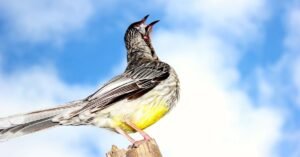
A wattlebird is a native Australian honeyeater belonging to the genus Anthochaera. The name comes from the fleshy skin folds, known as wattles, found around the neck or sides of the head in some species.
There are three recognised wattlebird species in Australia:
-
Red Wattlebird (Anthochaera carunculata): A large, noisy species found across much of southern Australia.
-
Little Wattlebird (Anthochaera chrysoptera): A smaller species found in south-eastern and south-western Australia, including Tasmania.
-
Yellow Wattlebird (Anthochaera paradoxa): Australia’s largest honeyeater, found naturally in Tasmania.
Despite sharing a family resemblance, these birds have noticeable differences in appearance, size and distribution. One interesting detail is that the Little Wattlebird does not have the obvious fleshy wattles seen on its red and yellow relatives.
How to Identify a Wattlebird
The Red Wattlebird is particularly recognisable. It has grey-brown feathers covered in fine white streaks, a pale face, reddish eyes and a yellow patch on its lower belly. Its long tail often displays white tips, while the reddish fleshy wattles hang from the sides of its neck.
Adult birds generally measure around 34–36 centimetres long, making them fairly substantial visitors to the garden.
The Little Wattlebird is smaller, usually measuring around 26–30 centimetres. Its plumage is darker and heavily streaked, with a noticeable chestnut-coloured patch on the wings that becomes easier to see when it flies.
The Yellow Wattlebird is quite different again. Its impressive size and long yellow wattles make it difficult to confuse with the other species.
Where Do Wattlebirds Live?
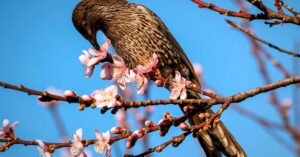
Wattlebirds are closely associated with Australia’s flowering forests, woodlands and heathlands. However, you don’t necessarily need to travel into the bush to see one.
Red Wattlebirds are regular visitors to suburban gardens, public parks, coastal reserves and streets lined with flowering native trees. They are particularly common throughout New South Wales, Victoria, South Australia and parts of Western Australia.
If you live around Sydney, keep an eye on flowering eucalyptus trees, grevilleas and bottlebrushes. These are excellent places to watch Red Wattlebirds feeding.
Little Wattlebirds favour heathland, banksia scrub, open woodland and gardens, particularly in coastal areas. Yellow Wattlebirds, meanwhile, are native to Tasmania, where they inhabit forests, woodlands and areas with plenty of flowering vegetation.
What Do Wattlebirds Eat?
Some of their favourite food sources include:
-
Eucalyptus blossoms.
-
Banksia flowers.
-
Grevilleas.
-
Bottlebrush flowers.
-
Hakea blossoms.
However, nectar isn’t their only food.
Wattlebirds also eat insects, spiders, berries and other small food items. Insects are particularly important when adult birds are raising chicks because they provide valuable protein for growing young.
You might notice a wattlebird moving quickly between branches, picking insects from leaves or making a sudden flight to catch something in mid-air. They are much more active hunters than their nectar-feeding habits might suggest.
Why Are Wattlebirds So Noisy?
If you’ve ever been woken by a harsh coughing or squawking noise outside your bedroom window, you may already know the answer.
Wattlebirds are not particularly quiet birds.
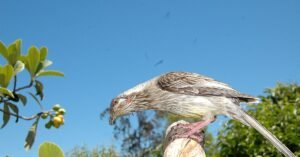
Red Wattlebirds have a distinctive collection of calls, including harsh coughs, rattling sounds and loud, repetitive notes. Some of their calls sound almost like a person clearing their throat.
Their vocalisations serve several purposes. They communicate with other birds, warn potential intruders and help defend valuable feeding areas.
They can also become quite aggressive when another bird approaches a flowering tree they consider their territory.
You may see a Red Wattlebird chasing away a smaller honeyeater, lorikeet or even another wattlebird. This behaviour is particularly noticeable when a tree is producing plenty of nectar.
Interestingly, the Little Wattlebird has a different vocal style, with a more varied and sometimes melodious call.
Wattlebird Breeding and Nesting Habits
The Red Wattlebird commonly breeds between July and December, although conditions can influence the timing.
Its nest is usually an untidy-looking cup made from twigs, grass, bark and other plant materials. Soft materials such as feathers, hair and wool may be used to line the inside.
The nest is generally positioned in a tree or shrub, often tucked among branches where it is less exposed to predators and disturbance.
The female commonly takes responsibility for building the nest and may do most of the incubation. Both parents help feed the young after they hatch.
Little Wattlebirds also build cup-shaped nests, using twigs and grass, with softer materials for lining. Both parents participate in caring for their chicks.
Wattlebirds have a reputation for being rather bossy, particularly around food.
Red Wattlebirds can be highly territorial. When a flowering tree provides a reliable food supply, they may actively defend it against other nectar-feeding birds.
You might see one launch itself towards an approaching lorikeet or chase another honeyeater across the garden. Sometimes the confrontation involves loud calling, rapid wing movements and repeated attempts to drive the intruder away.
Although this behaviour can look intimidating, it is generally associated with protecting feeding and breeding territories.
It’s also worth remembering that these birds are not naturally aggressive towards people. Give them space, avoid approaching their nests and enjoy watching their behaviour from a comfortable distance.
How to Attract Wattlebirds to Your Garden
Grevilleas, bottlebrushes, banksias and native eucalyptus trees provide valuable feeding opportunities. A garden with several different flowering plants can attract birds throughout the year rather than providing food for only a short period.
Here are a few simple ways to make your garden more appealing:
-
Plant native flowering shrubs: Choose grevilleas, bottlebrushes and banksias suited to your local climate.
-
Provide fresh water: A shallow birdbath gives visiting birds somewhere to drink and bathe.
-
Keep mature trees where possible: Trees provide shelter, nesting locations and natural feeding areas.
-
Avoid pesticides: Reducing chemical use helps protect the insects that birds rely on for food.
-
Provide safe shelter: Dense native shrubs offer smaller birds somewhere to hide when larger birds become territorial.
You don’t need a huge backyard. Even a modest garden with suitable native plants can become a useful feeding stop for local wildlife.
Do Wattlebirds Help Pollinate Australian Plants?
Yes. Wattlebirds play an important role in the pollination of many native flowering plants.
When a bird pushes its bill and head into a flower to collect nectar, pollen can stick to its feathers and other parts of its body. As it visits another flower, some of that pollen may be transferred.
This helps plants reproduce and supports the natural ecosystems that many other Australian animals depend on.
Wattlebirds are particularly valuable around flowering banksias, grevilleas and eucalyptus trees. Their regular feeding movements can help spread pollen between flowers and plants.
It’s another good reason to welcome these sometimes noisy visitors into your garden.
Are Wattlebirds Protected in Australia?
Wattlebirds are native Australian birds and are protected under state and territory wildlife legislation. They should never be deliberately harmed, trapped or disturbed.
The Red Wattlebird and Little Wattlebird are currently listed as Least Concern globally, although local habitat changes can still affect individual populations.
Habitat clearing, loss of flowering native plants, vehicle collisions and attacks from domestic cats are among the challenges facing Australian garden birds.
One of the simplest ways to help is to maintain bird-friendly gardens and keep domestic pets away from nesting areas.
Frequently Asked Questions About Wattlebirds
1. What is the most common wattlebird in Australia?
The Red Wattlebird is a familiar and widespread species across southern Australia. It is frequently seen in suburban gardens, parks, woodlands and coastal areas.
2. Why is it called a wattlebird?
The name refers to the fleshy skin folds, or wattles, found around the neck of certain species, particularly the Red and Yellow Wattlebirds.
3. Do wattlebirds eat insects?
Yes. Although nectar is an important food source, wattlebirds also eat insects, spiders and berries. Insects are especially useful when feeding growing chicks.
4. Are wattlebirds native to Australia?
Yes. All three recognised wattlebird species are native to Australia. The Yellow Wattlebird is endemic to Tasmania.
5. How big does a Red Wattlebird grow?
Adult Red Wattlebirds typically measure approximately 34–36 centimetres from bill to tail.
6. Do wattlebirds migrate?
Some populations move around in response to changing food supplies. They may travel to areas where flowering trees and shrubs provide abundant nectar.
7. Are wattlebirds good for gardens?
Absolutely. They help pollinate native flowering plants and consume insects as part of their varied diet. They are also fascinating birds to observe.
A Noisy but Welcome Australian Garden Visitor
The wattlebird might not have the prettiest song in the Australian bush, but it certainly makes its presence known.
Whether you’re watching a Red Wattlebird defend a flowering gum, spotting a Little Wattlebird moving through coastal banksia scrub or encountering a magnificent Yellow Wattlebird in Tasmania, these native honeyeaters are well worth getting to know.
Their unusual appearance, energetic feeding habits and sometimes comical personalities make them memorable visitors.
Next time you hear a loud coughing call from a nearby tree, take a closer look. You might discover a wattlebird going about its busy day.